Between 2001 and 2021, the United States carried out more than 450 drone and air strikes in Pakistan’s tribal areas as part of its so-called “War on Terror.”
Spanning three U.S. administrations, the campaign was repeatedly criticised by international watchdog organisations over allegations of excessive civilian and child casualties.
A U.S. Joint Special Operations Command review later found that the overwhelming majority of those killed were not the intended targets.
The CIA also employed “signature strikes,” authorising attacks based not on confirmed identities, but on patterns of behaviour it assessed as militant in nature, such as groups of men gathering or people camping in forests.
Pakistan’s Kurram Agency, a mountainous tribal district bordering Afghanistan, was targeted more than 20 times. Official U.S. statements consistently maintained that these strikes were directed exclusively at Taliban and Al-Qaeda militants.
However, beyond those official claims, little independent documentation exists about who was actually killed.
Nearly all of the 450+ U.S. drone strikes in Pakistan remain without comprehensive, on-the-ground verification.
As of 2026, some of the earliest strikes in Kurram are now more than seventeen years old. With eyewitnesses aging and primary witnesses passing away, the window to preserve local testimony is narrowing.
For this reason, I launched the One Minute Massacres (OMM) Kurram expedition: to record eyewitness accounts, document graves and families, and preserve oral histories of those who witnessed U.S. drone and helicopter attacks before that local record disappears permanently.
Upper Kurram Attacks: 2010-17
The first recorded American strike in Upper Kurram was not a drone attack, but a helicopter gunship operation.
Kurram Agency has long been described as a restive tribal region, due in part to its unique demographic composition: approximately 90% of the population is Shia, with a Sunni minority.
Sectarian tensions between tribes have historically shaped local security arrangements, including informal volunteer patrols positioned on mountain ridges to monitor potential rival attacks.
On 27 September 2010, seven volunteers from the Muqbal tribe were positioned on a mountain lookout facing Parachinar, away from Afghanistan.
“They had went up to the mountain to protect their families.” One tribal elder said.
According to local accounts, they were guarding against a potential attack from rival Shia tribes, a longstanding tribal practice during periods of heightened tension.
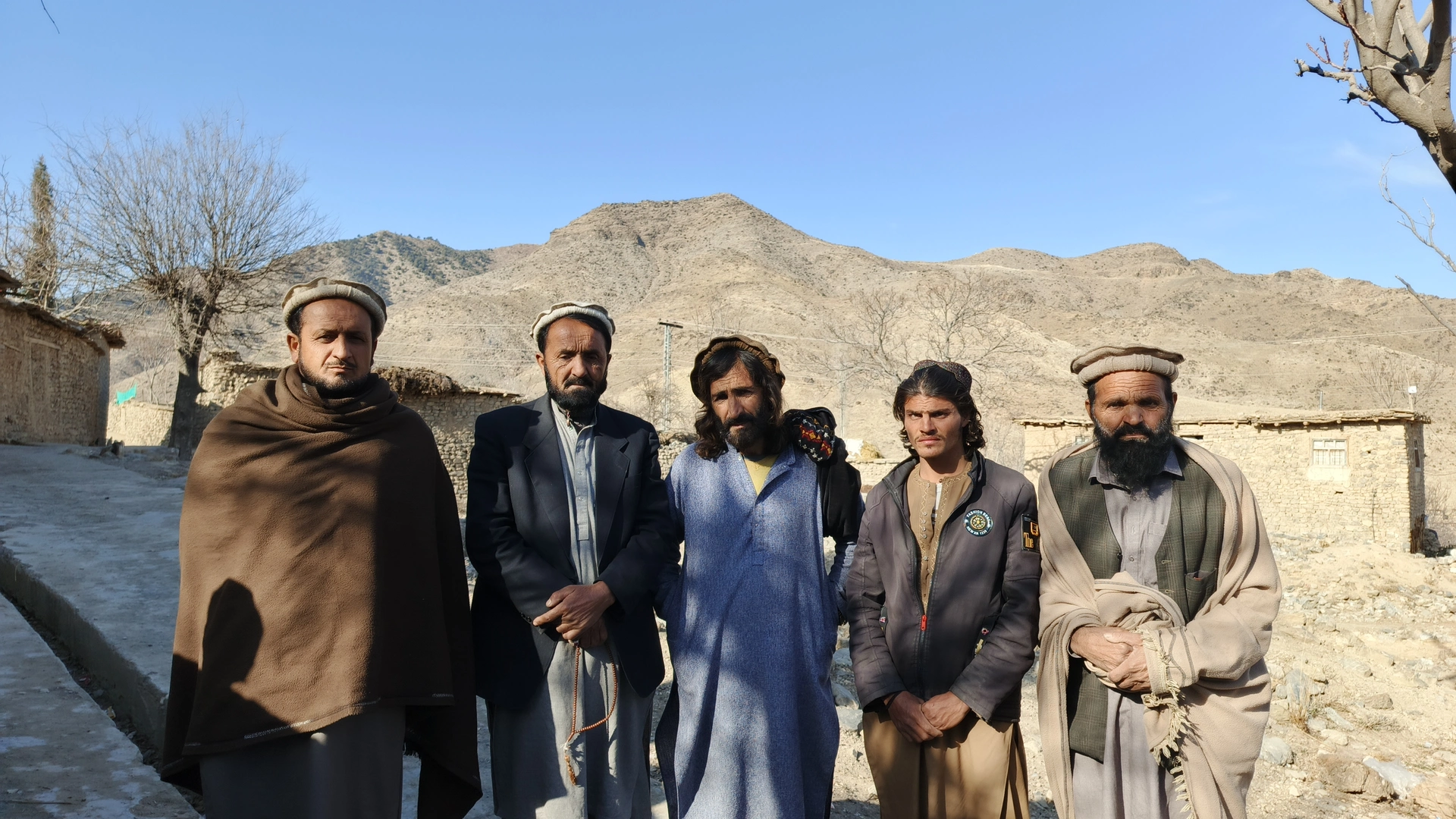
“We had no fight with the Americans. We had not gone up there to fight them.”
At approximately 5:00 AM, four U.S. gunship helicopters conducting an aerial patrol reportedly identified the men as Taliban militants and opened fire, killing five and injuring two.
“When we went there we could barely recognise their faces. Everything was ruined. Everything was ash.” The son of one of the victims testified.
The strike received almost no media coverage. A brief mention in the Pakistani newspaper Dawn referred to the dead as “suspected militants.” No follow-up reporting was conducted.
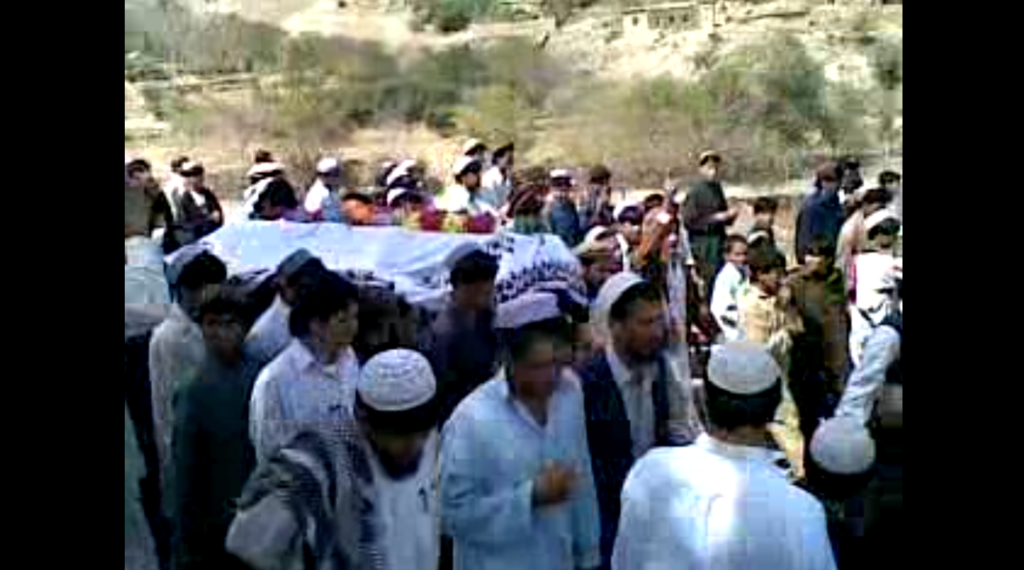
“Nobody came to aid us after the attack happened. We buried our dead ourselves.”
During my visit, I met the grieving families. They stated that all five of the killed worked as labourers and had volunteered to protect their tribe and families.
“My brother’s body was fortunately intact. The others were too far gone.”
“We were not with the Taliban or the Haqqani Network. We wanted to live peacefully.”
“We were all scared to go up. What if the helicopters returned? Everyone hid in their homes. But we had to go rescue their bodies.”
| Victim Name | Father’s Name | Status | Civilian? |
|---|---|---|---|
| Abdul Manan (32) | Haji Abdul Hanan | Killed | Yes; labourer |
| Muhammad Rafiq (22) | Majid | Killed | Yes; labourer |
| Amin Noor (22) | Haji Jamin | Killed | Yes; labourer |
| Rehmat Ullah (25) | Mamoor Jan | Killed | Yes; labourer |
| Anwar Jan (50) | Fidar Jan | Killed | Yes; labourer |
After this incident, Upper Kurram was not targeted again until 2017.
On 15 September 2017, a drone strike hit a remote house in Ghoz Garhi. Local residents told me that three individuals associated with the Afghan Taliban were killed.
“The men inside were not local. They were Afghan Taliban militants.” Muazullah, the village councilman testified.
The CIA claimed that the strike eliminated Moulvi Moheeb, a known Taliban figure. However, residents maintain that Moulvi Moheeb is still alive and currently resides in Kabul.
On 16 October 2017, another drone strike was widely reported in international media as targeting a religious school in Ghoz Garhi, allegedly killing more than 14 militants.
“The attack site was right on the Pak-Afghan border before it was fenced. Local boys and shepherds gathered there daily to play.”
When I visited the area, locals told me that the only madrassa in their town had never been attacked.
“Not a single one of these were militants. They had no guns. They grazed their flocks over the mountains.”
According to multiple local accounts, the strike instead hit a common gathering point used by local boys and shepherds. Several casualties were reportedly teenagers and children, which may explain how the location was characterised as a school in early reports.
A local schoolteacher informed me that four of the deceased boys were from the Pakistani side of the Muqbal tribe. Afghan families carried the bodies of their children back across the border.
“I carried our boys back over my shoulder. They had barely a hair on their chin. They were young.”
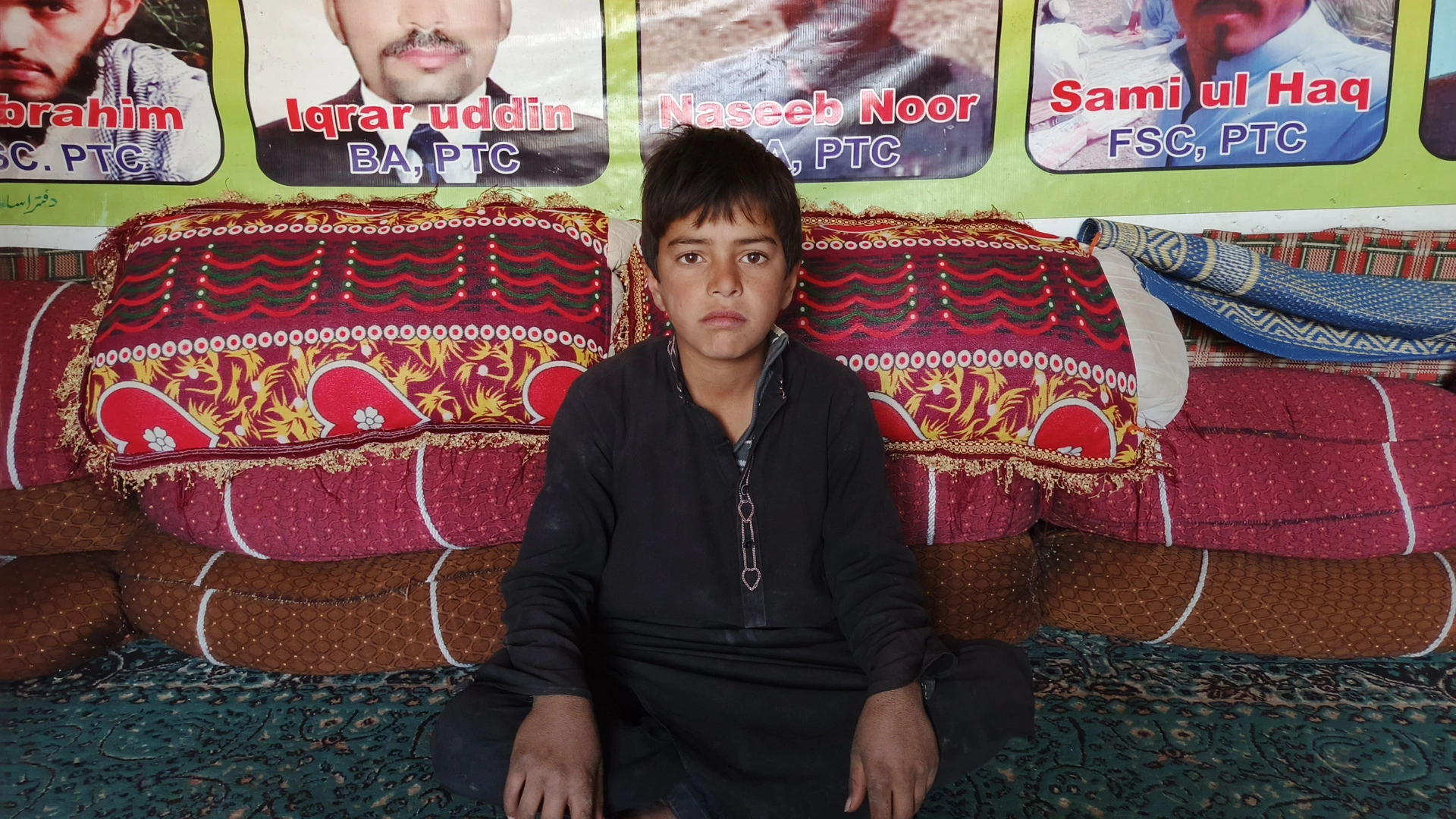
I was introduced to the nine-year-old son of one of the deceased. The boy was only 18-months old when his father, Rabi Noor, was killed. Locals consistently denied that any of the victims were militants, describing them instead as local youth.
“Fear and paranoia rose across the tribe. People stopped sending their children to school. Everyone talked about moving away.”
“Market was closed. Everyone was scared.”
| Victim Name | Father’s Name | Status | Civilian? |
|---|---|---|---|
| Sabir Muhammad | Gul Muhammad | Killed | Yes; shepherd |
| Rabi Noor | Khanath Noor | Killed | Yes; shepherd |
| Younis | Syed Marjan | Killed | Yes; shepherd |
| Sial Jan | Dawood Jan | Killed | Yes; shepherd |
| Noor Muhammad | Gul Muhammad | Injured | Yes; shepherd |
| Muhammad Shakir | Muhammad Sabir | Injured | Yes; shepherd |
On 30 November 2017, U.S. officials announced that a drone strike had killed Haqqani Network commander Abdul Rasheed Haqqani in Upper Kurram.
“No. This attack never happened. We have no memory of this attack. Maybe it happened in Afghanistan.” Muazullah testified.
Locals stated they had no recollection of such an incident. It is possible the strike occurred elsewhere in Afghanistan or North Waziristan and was wrongly attributed in Upper Kurram.
On 19 December 2017, a mosque in Mata Sangar was struck by U.S. drone missiles. The attack occurred after the Isha prayer service had concluded, and no fatalities were reported.
Locals told me that two suspected Haqqani Network fighters had been inside the mosque shortly before the strike.
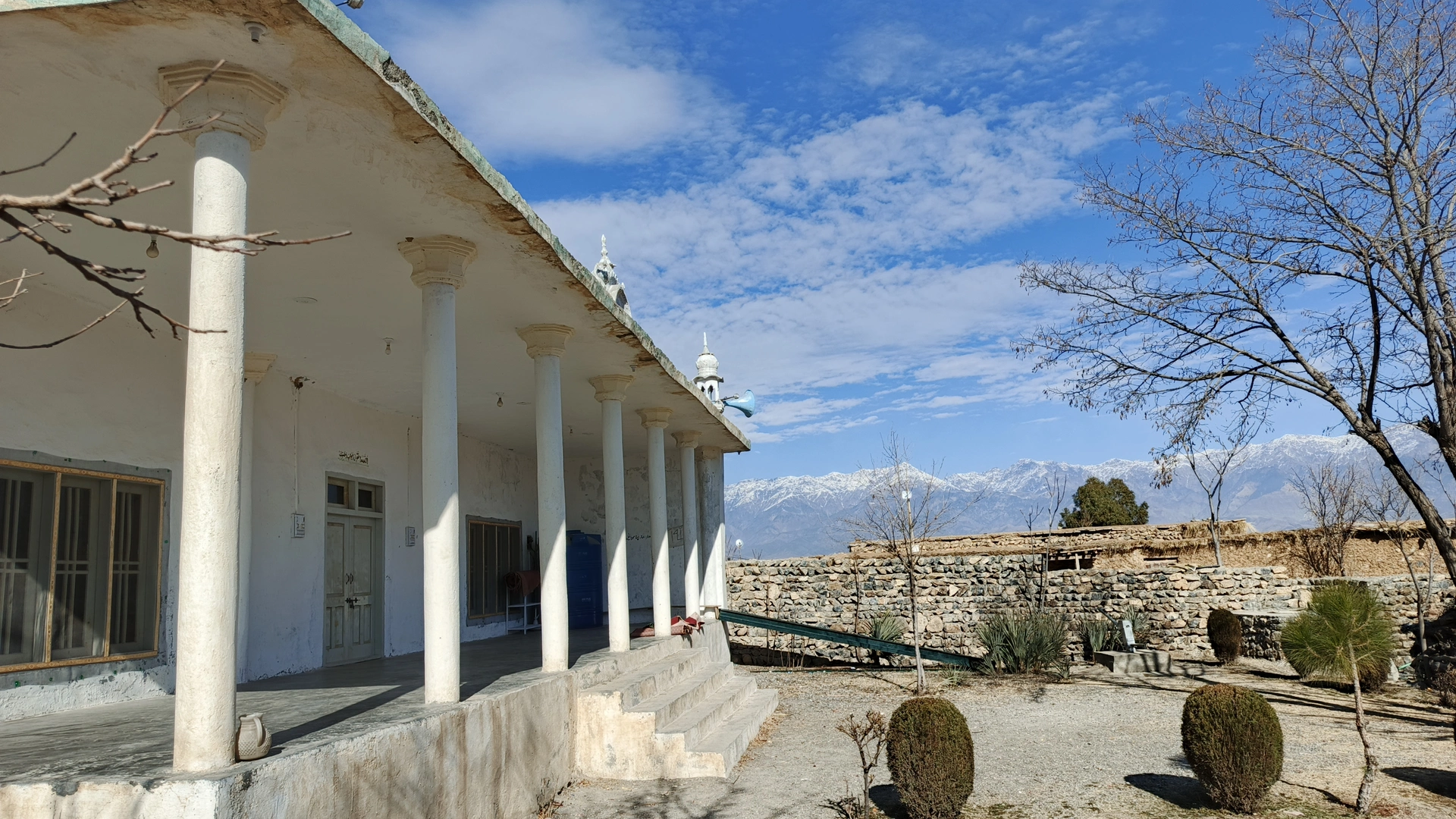
According to local accounts, their mobile phones became unusually hot, which over years of drone strikes was interpreted as a sign of geolocation tracking, and the men reportedly threw away their phones and fled on foot before the missiles hit.
Villagers emphasized that their children in the area were endangered by the strike.
“Our children played every day outside the mosque. What if they had been playing out at that time?”
On 26 December 2017, another drone strike targeted two men standing near a parked vehicle approximately two miles from the previously targeted mosque.
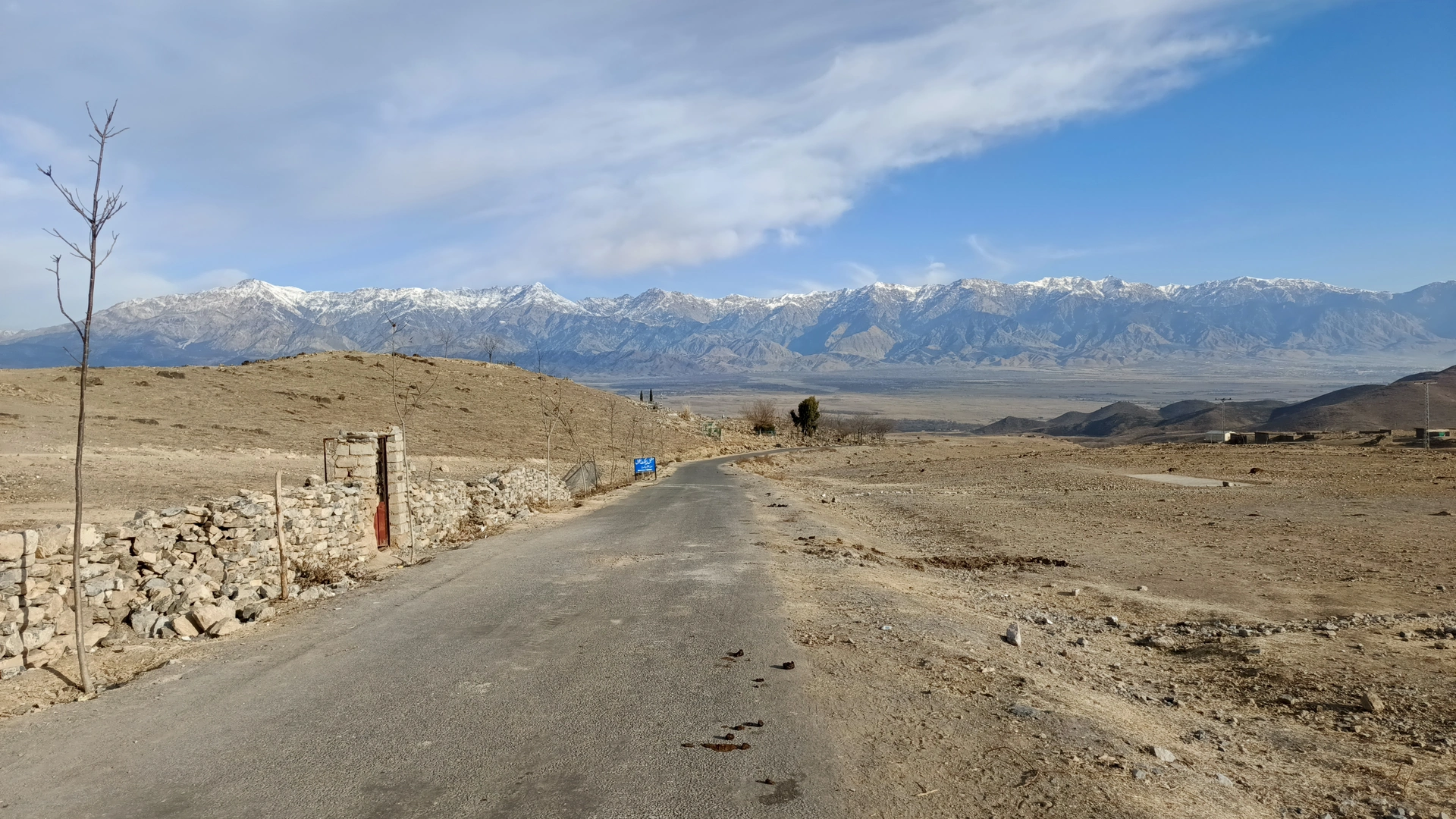
“We did not know these men. They were of the Taliban who were unwelcome in our area.” Muazullah testified.
Residents told me they did not recognise the victims and believed they were likely Afghan Taliban fighters. One was identified locally as Jami Ud Din.
‘Lost To Time’
Lower Kurram presented a different kind of challenge.
Due to prolonged sectarian conflict between Shia and Sunni tribes, several areas previously targeted by U.S. drone strikes no longer exist in their earlier form. Entire towns were later razed, abandoned, or depopulated during subsequent tribal infighting.
Among these were the towns of Talo Ganj, Badshah Kot, and Shaheedano Dand.
As a result, identifying and locating eyewitnesses proved nearly impossible. Many residents have since dispersed across Pakistan and Afghanistan.
In the absence of stable communities or traceable families, reconstructing detailed testimony for those strikes is no longer feasible through conventional fieldwork.
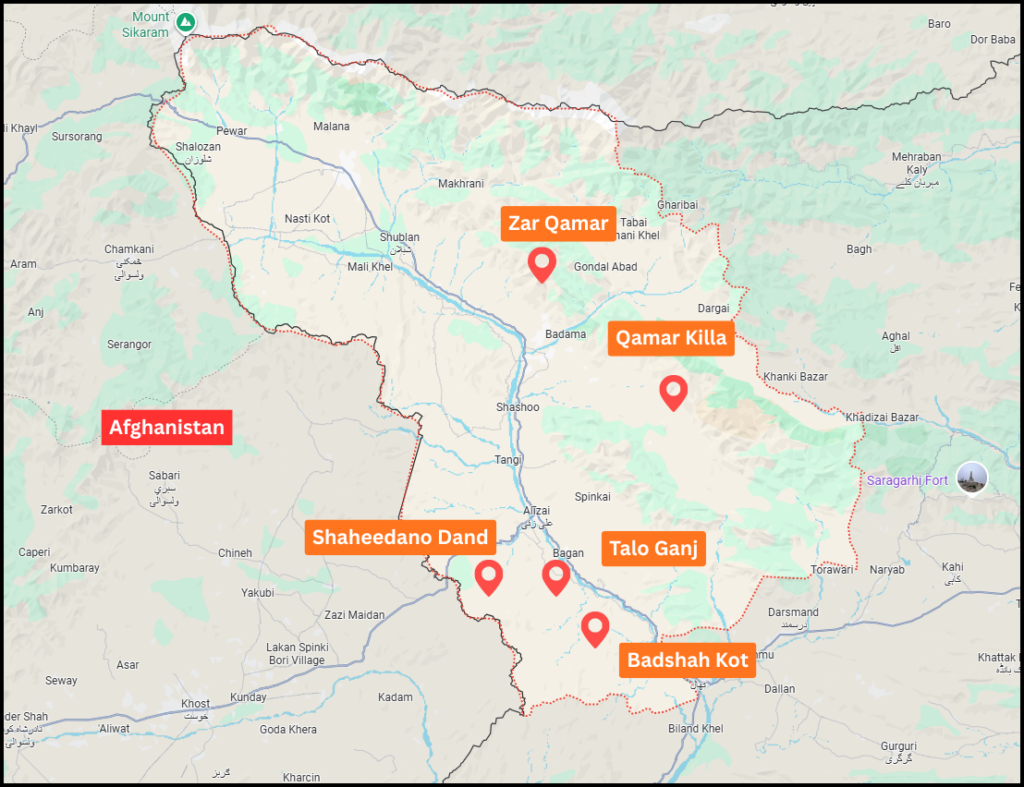
In addition, three reported U.S. drone strikes in central Kurram remain geographically inaccessible due to ongoing Pakistan Army operations targeting the Tehreek-e-Taliban Pakistan (TTP) presence in the region.
For this reason, I was unable to safely access or definitively geolocate the towns of Zarakai Mela, Zer Qamar, and Qamar Kalle.
Given the combination of displacement, security restrictions, and limited available casualty data, I determined that a full investigative expedition to document these six strikes was not feasible at this time.
For the One Minute Massacres (OMM) project, these in U.S. drone attacks are therefore categorised as ‘Lost to time‘ unless future access or testimony becomes possible.
Lower Kurram Agency: 2009-18
The deadliest U.S. strike in Kurram Agency occurred on 12 March 2009, when nine Hellfire missiles fired from American drones hit Burjo village in Lower Kurram. The CIA stated that the target was a militant training camp.
During my fieldwork, I met two eyewitnesses and several local influentials who said they witnessed the strike.
“Children screamed in fear. Women screamed in fear. The explosions wouldn’t stop. One, two, three, four… nine missiles struck us that night. It was unheard of.”
According to their testimony, the missiles did not hit a militant camp, but a local mosque and adjacent community centre hosting a community feast to celebrate three children who had completed memorisation of the Quran.
“There was a Dastarbandi. It was a community gathering. It was a proud time for the parents of the three children. I remember at least four other children present.”
Residents from ten to twelve nearby villages were present.
Local testimony holds that 24 civilians were killed and more than 50 were injured. At least 7 of the dead were children.
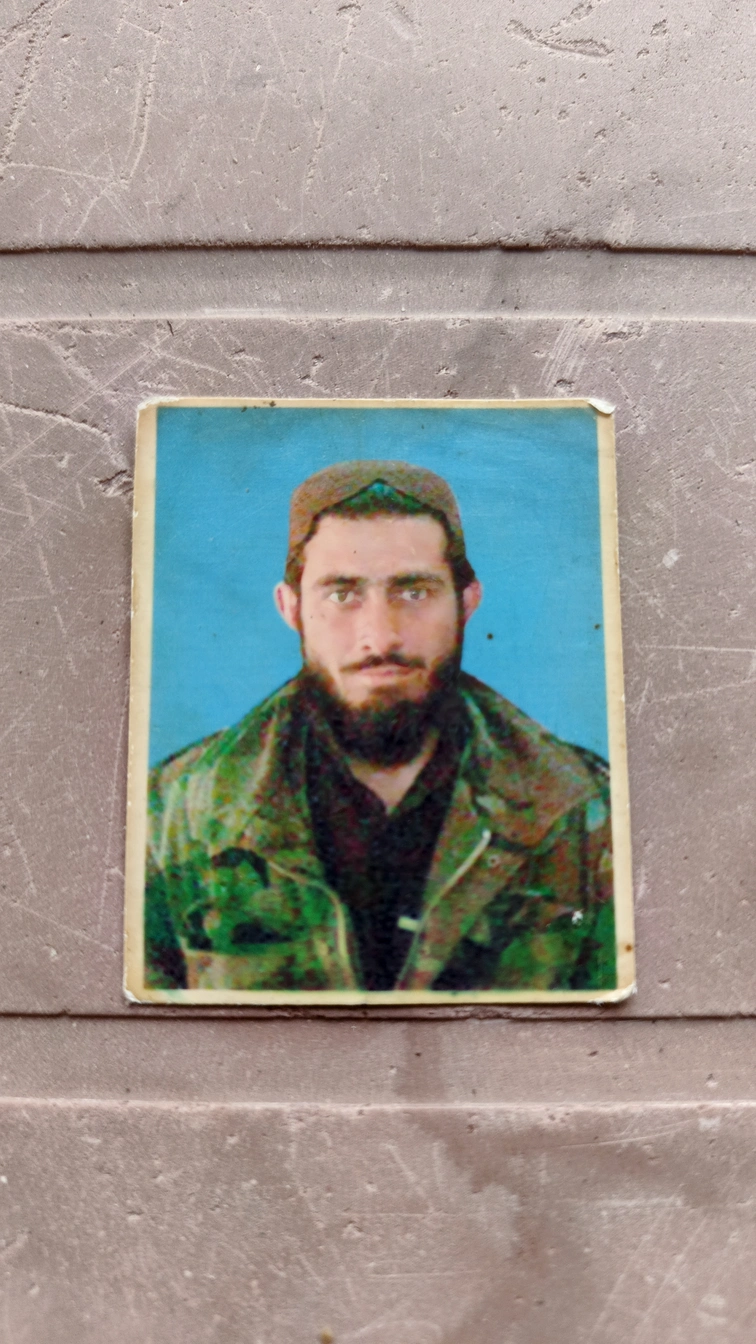
Among the dead was Zahid Rehman, 30, son of Haleef Gul and a student at the University of Kohat. Ahmad Saeed, 24, a health technician working in Peshawar, was also killed.
“My uncle was among those killed,” Rafi Ullah took out his uncle’s photo that he has carried in his wallet since 2009. “He was a student at the University of Kohat.”
“Saeed was a close friend of ours. A health technician.” Muhammad Zahid said.
Another young man left behind a mother who, according to locals, never recovered from the loss and later died after years of psychological decline.
| Victim Name | Father’s Name | Status | Civilian? |
|---|---|---|---|
| Zahid Rehman (30) | Haleef Gul | Killed | Yes; M.Sc student |
| Ahmad Saeed (24) | Gul saeed | Killed | Yes; Health Technician |
| Child # 1 | Killed | Yes | |
| Child # 2 | Killed | Yes | |
| Child # 3 | Killed | Yes | |
| Child # 4 | Killed | Yes | |
| Child # 5 | Killed | Yes | |
| Child # 6 | Killed | Yes | |
| Child # 7 | Killed | Yes |
On 28 August 2010, a drone strike targeted the now-abandoned town of Talo Ganj. Eyewitnesses told me that one Haqqani Network militant was killed, along with two civilians, a local resident and an Afghan migrant.
“They had killed a militant. Yes. But what was the crime of the other two innocents?”
On 20 June 2011, a drone strike hit the Afghan migrant settlement known as Soorpal. According to local testimony, the strike targeted a school building, killing five teachers with no known militant affiliations.
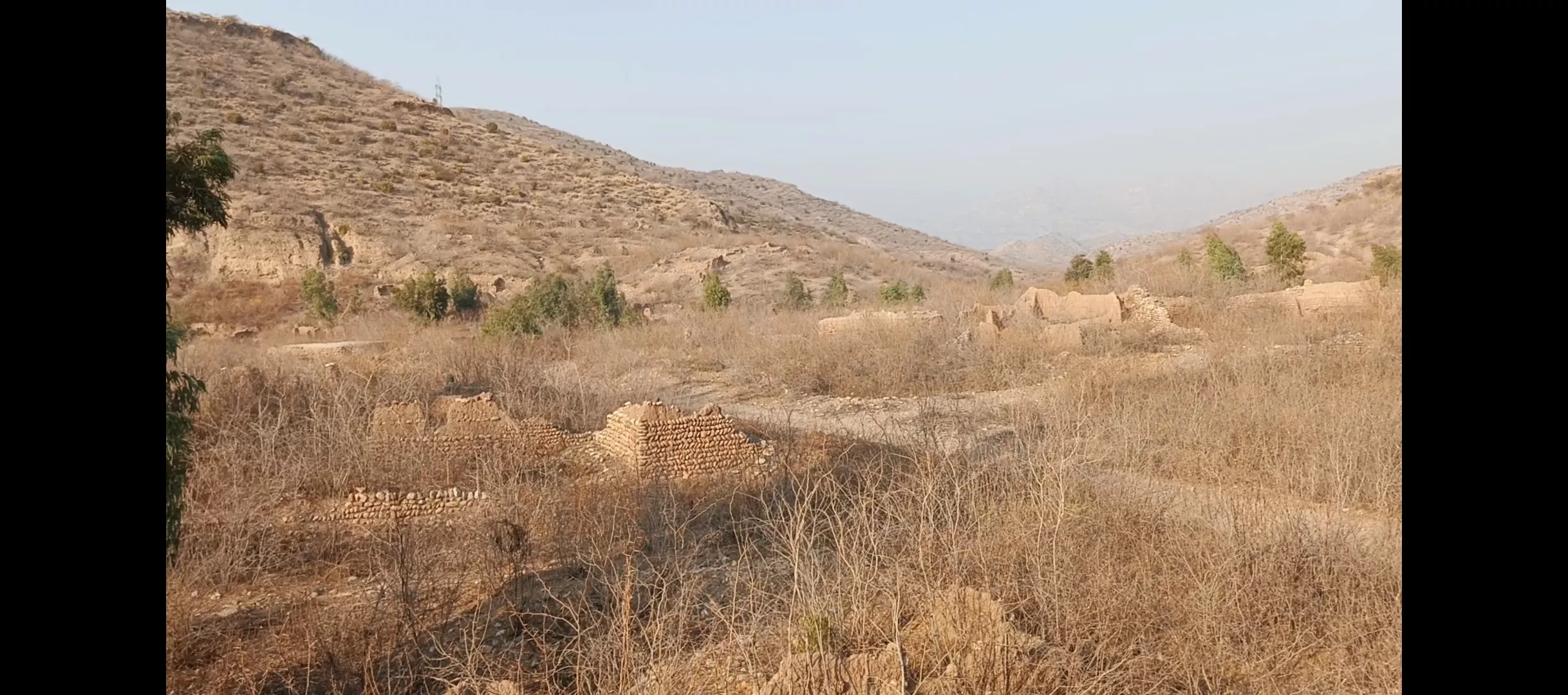
Minutes later, a second ‘double-tap’ strike killed two more civilians who had begun clearing debris in search of survivors. Residents state that seven civilians were killed in total.
“For years, young boys who lived in local madrassas would pick up their pillows and leave. They slept under trees, under trucks, wherever they could find space. They refused to sleep indoors for fear of being killed.”
“They grew up in existential fear. They could be killed any night. Nobody would come asking about them.”
“They [Americans] turned our kids into mental patients. The sight and sounds of drones scared them.”
On 13 November 2013, a U.S. drone strike targeted a school in Thal city, bordering Lower Kurram.
While U.S. officials claimed the strike targeted militants, residents told me that five schoolteachers were killed and that none had known links to militant networks.
“The teachers were grading papers into the night. They were not in any militant networks. These were teachers in a school.”
On 18 March 2015, a drone strike in the Shabak area killed a Taliban commander identified as Khawery Mehsud. I did not personally visit this site; however, the incident has been previously documented within the OMM archive due to consistent media reporting and confirmation from Taliban sources.
On 2 March 2017, a drone strike targeted a motorcycle in the Sara Khwa area, reportedly killing two ‘suspected militants.’
Local influentials told me that the victims were Qari Abdullah, described as a respected local Malik and teacher and his student, Shakir, who was a child.
Locals denied that either had links to militant organisations.
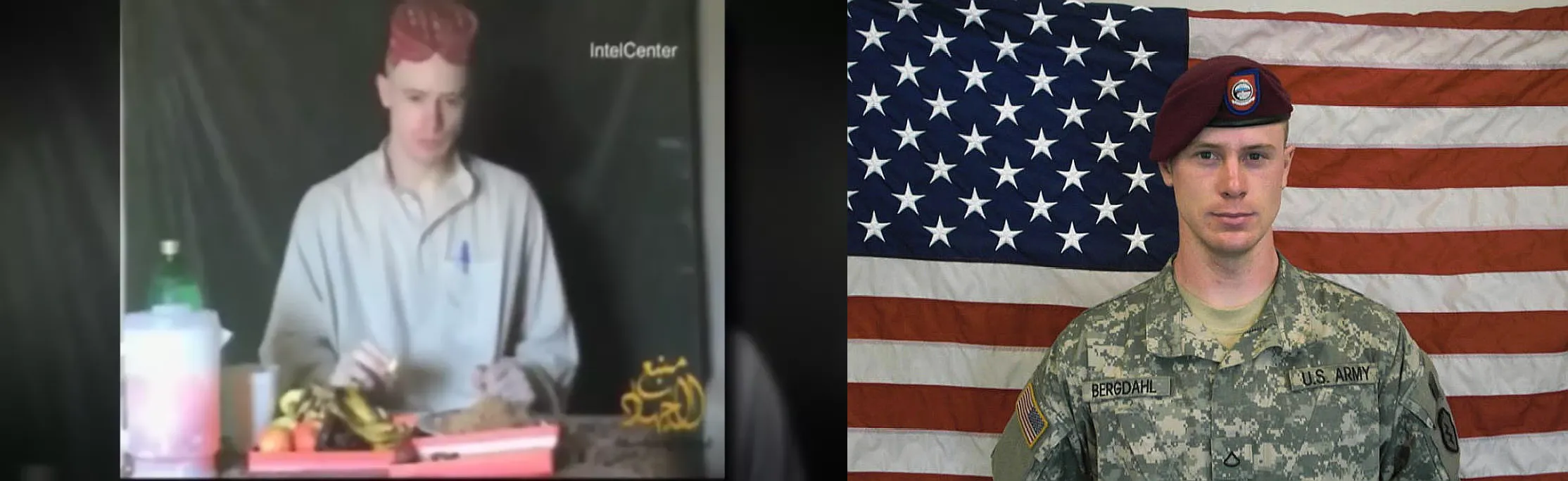
In 2014, Qari Abdullah had been selected as a neutral intermediary in negotiations involving the release of captured American soldier Bowe Bergdahl in exchange for five Taliban detainees held at Guantanamo Bay.
“Everyone knew Qari Abdullah. He was a respected Malik. An old man who was the serving Imam in the Badshah Kot mosque.”
“Americans killed him, called him a terrorist. His crime was being approached by the Haqqani Network to mediate. He was trustworthy. Everybody respected him.”
Some residents believe this role contributed to his later targeting, though no official evidence supports this allegation.
| Victim Name | Father’s Name | Status | Civilian? |
|---|---|---|---|
| Qari Abdullah | unknown | Killed | Yes; Teacher |
| Shakir | unknown | Killed | Yes; Child |
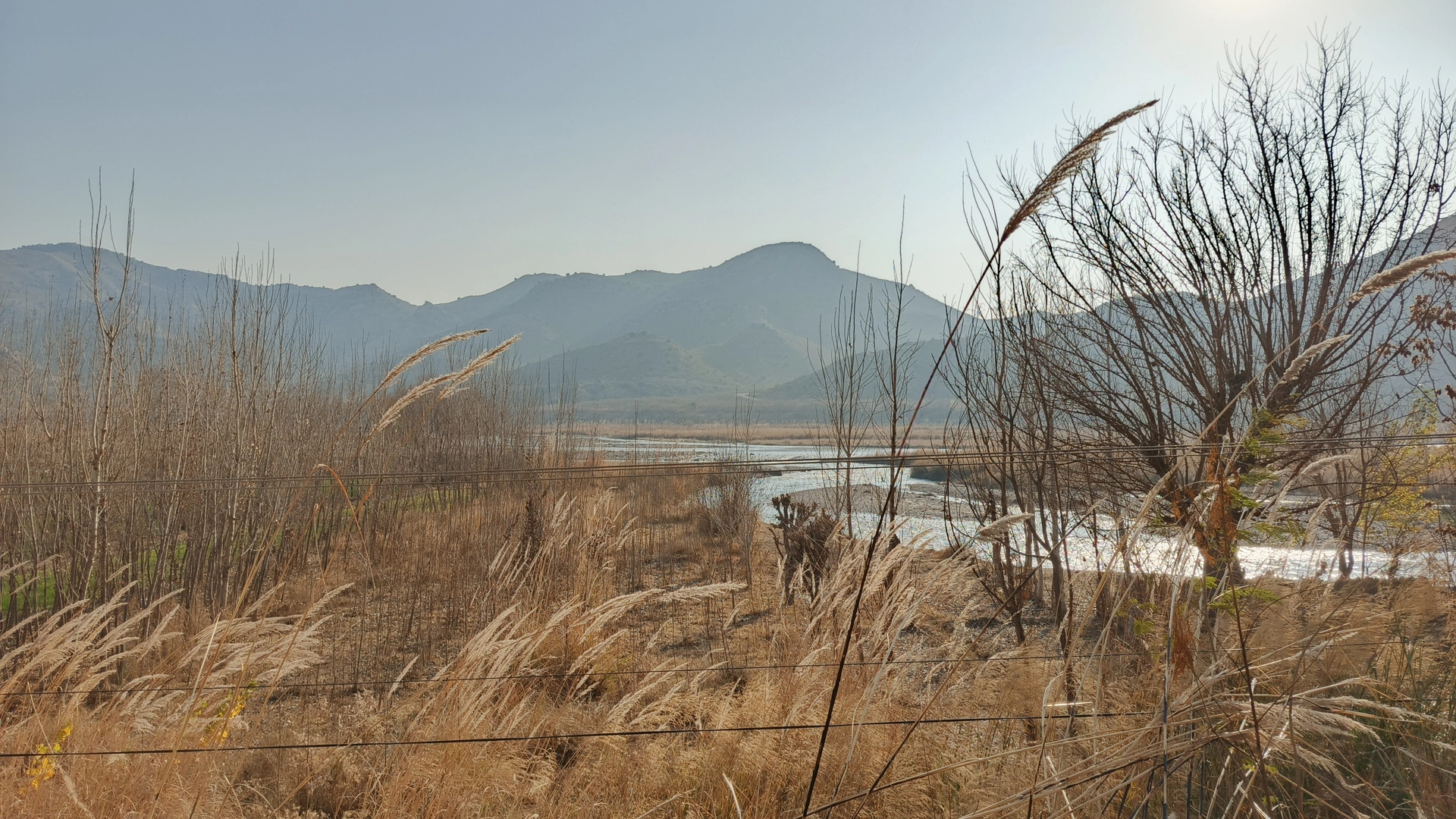
On 17 January 2018, a drone strike hit the now-lost area of Badshah Kot in Lower Kurram.
Muhammad Zahid, who visited the site approximately one hour after the strike, told me that contrary to media reports claiming a militant casualty, only an elderly man with no known militant connections was killed.
On 24 January 2018, an Afghan refugee settlement was struck by another drone attack. Rafi Ullah, who visited the site, stated that the area was populated by families and children.
According to local testimony, the strike hit part of a residence where an elderly man was resting. Residents maintain that he had no affiliation with any militant network.
“This was a populated refugee camp. Children played everywhere. They could have been hurt.”
This January 2018 strike appears to be the last recorded U.S. drone attack in Kurram Agency to date.
The Final Tally
In total, I documented 13 U.S. drone and gunship attacks in Kurram Agency between 2009 and 2018.
Across the 13 documented attacks, 71 people were killed and 59 were injured.
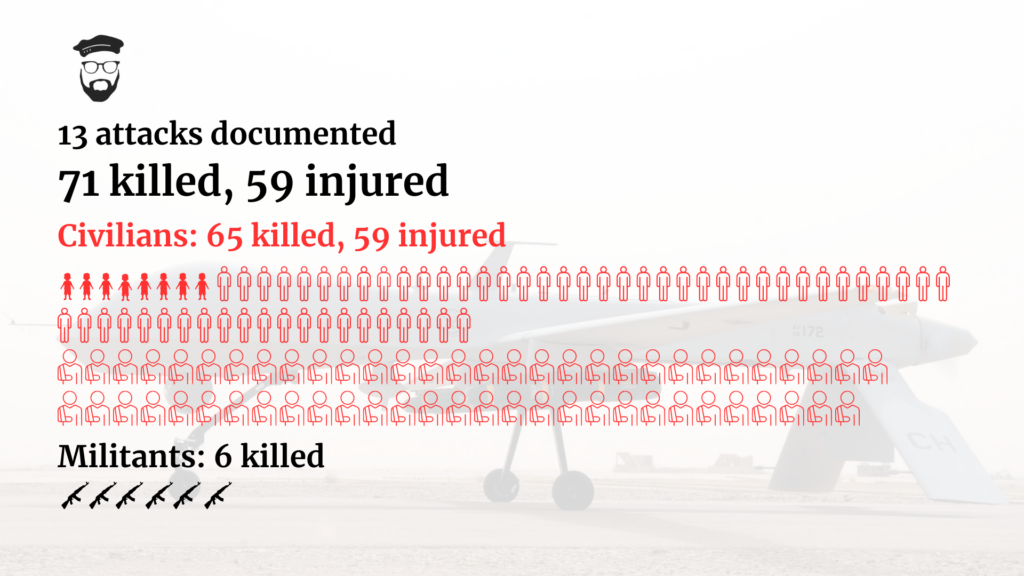
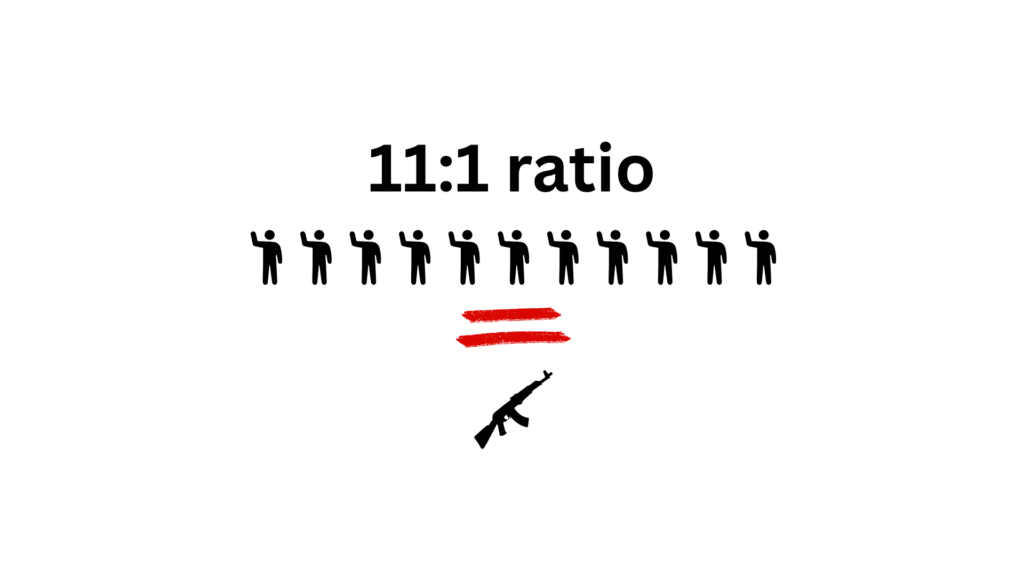
Based on local testimony, media records, and available confirmation, only six of those killed were linked to militant networks.
This produces a staggering civilian-to-militant fatality ratio of 11:1.
At least eight of the dead were confirmed children.
In a majority of cases, no independent investigation followed, and no compensation was provided.
The purpose of this documentation is not rhetorical. It seeks to preserve names, locations, and testimony before they disappear from public memory.
Finishing Up
The One Minute Massacres (OMM) project has already made strides in completing the first-ever documentation of U.S. drone attacks in Pakistan’s Khyber Agency. Now with the 100% completion of Kurram Agency, OMM has become the most comprehensive documentation project in the region.
The Future: Upcoming expeditions will cover other, harder hit tribal agencies in Pakistan, including the Bajaur and North Waziristan agencies.
As an independent investigative journalist, my fieldwork and OMM documentation depends on public support. Your grants and donations give voice to innocent men, women, and children who were wrongly killed and called ‘terrorists’ to pad Pentagon spreadsheets.
If you are from Pakistan, UK, USA, or Australia and would like to directly or anonymously fund this investigative journalism project, please contact me at: [email protected].

Support independent, grassroots journalism
Support me from $3/mo
I’m an independent investigative journalist documenting the human cost of Western military interventions through field research. I uncover what declassified records and archives reveal about Western powers.
Your support sustains grassroots accountability journalism and helps bring forgotten victims, hidden histories, and overlooked evidence into the public record.
Leave a Reply